
No products in the cart.
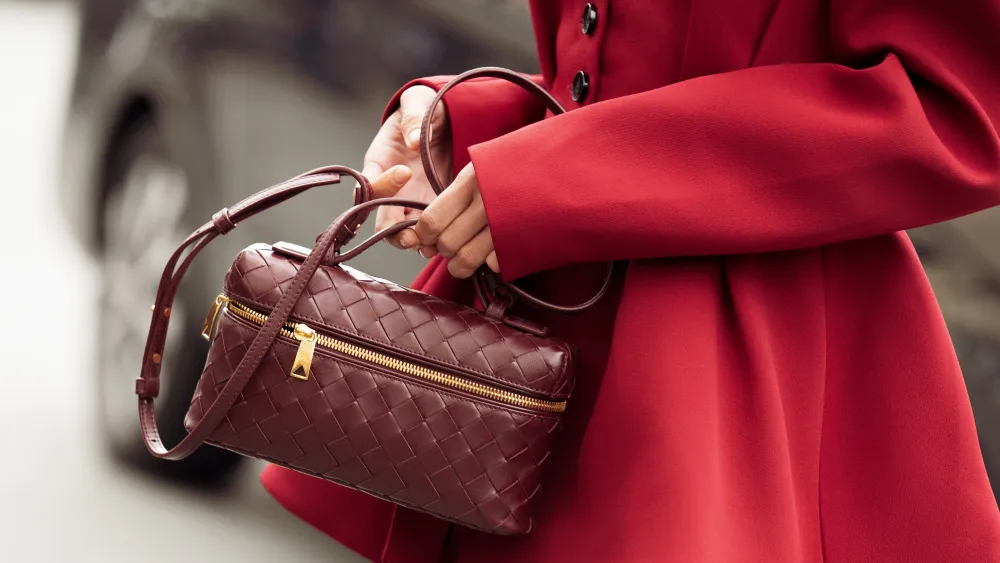
Replica vs Authentic Bags: Key Differences You Should Know
When it comes to luxury handbags, many buyers find themselves comparing replica vs authentic bags before making a purchase. With rising designer prices and improved replicas flooding the market, the difference between the two is no longer just about looks. Understanding how replica bags differ from authentic bags can help you make a smarter, more confident buying decision.
This SEO-optimized guide breaks down the key differences between replica and authentic bags, covering quality, price, legality, value, and long-term satisfaction.
What Are Authentic Bags?
Authentic bags are original products made and sold by luxury brands. These bags are designed, manufactured, and distributed directly by the brand or its authorized retailers. They come with official packaging, serial numbers, authenticity cards, and brand-backed warranties.
Authentic bags are known for premium craftsmanship, brand heritage, and long-term value.
What Are Replica Bags?
1:1 Replica bags are copies designed to resemble authentic luxury handbags. They are produced by third-party manufacturers and are not authorized by the original brand. Replicas range from low-quality copies to high-grade versions that closely mimic the design and appearance of authentic bags.
Despite improved quality in recent years, replica bags are still considered counterfeit products.
Quality and Craftsmanship Differences
One of the biggest differences between replica and authentic bags is craftsmanship.
Authentic bags are made using carefully selected materials, expert stitching techniques, and strict quality control. Every detail—from the leather grain to the hardware weight—is consistent and refined. These bags are built to last for years, often decades, with proper care.
Replica bags vary widely in quality. High-end replicas may look impressive at first, but they often fall short in durability. Common issues include uneven stitching, lower-grade leather, fading hardware, and structural wear over time. Quality consistency is never guaranteed with replicas.
Price Comparison
Price is the main reason buyers consider replica bags.
Authentic luxury bags are expensive, often costing thousands of dollars due to brand value, craftsmanship, and exclusivity. Limited editions and iconic models may increase in price year after year.
Replica bags are significantly cheaper, sometimes costing less than ten percent of the authentic version. This makes them appealing to buyers who want the luxury look without the financial burden.
However, the lower price also reflects the lack of brand backing, resale value, and long-term reliability.
Legal and Ethical Considerations
Authentic bags are completely legal to buy, sell, and resell worldwide. They follow intellectual property laws and ethical production standards set by the brand.
Replica bags exist in a legal gray or illegal area in many countries. Purchasing, importing, or reselling counterfeit items may result in confiscation or financial loss. Ethical concerns also arise due to unregulated labor practices and lack of transparency in production.
This is an important difference for buyers who value legality and ethical sourcing.
Resale Value and Investment Potential
Authentic bags often hold their value well, especially classic designs and limited editions. Some luxury handbags are even considered investment pieces and can be resold at equal or higher prices over time.
Replica bags have virtually no legitimate resale value. Most resale platforms prohibit counterfeit goods, and selling replicas as authentic is illegal. Once purchased, replicas are usually a sunk cost.
If long-term value matters to you, authentic bags clearly have the advantage.
Brand Experience and Ownership Satisfaction
Owning an authentic bag offers more than just a product. Buyers receive brand packaging, after-sales service, repair options, and the confidence of verified authenticity. For many, this experience is part of the luxury itself.
Replica bags offer visual satisfaction but lack emotional and experiential value. Some users also feel anxious about being questioned or “called out,” especially in social or professional settings.
Personal comfort plays a big role in deciding between replica and authentic bags.
Durability and Long-Term Use
Authentic bags are designed for longevity. With proper care, they can last many years and even be passed down as heirlooms.
Replica bags are typically better suited for short-term or occasional use. While some may perform well initially, wear and tear usually appear faster, especially on straps, edges, and hardware.
For daily use, authentic bags generally provide better long-term reliability.
Which One Should You Choose?
Choosing between replica vs authentic bags depends on your priorities.
Replica bags may suit buyers who want trendy designs, short-term use, and affordability, and who are comfortable with legal and ethical risks.
Authentic bags are ideal for those who value craftsmanship, brand heritage, durability, resale value, and peace of mind.
There is no universal right or wrong choice—only what aligns best with your budget, lifestyle, and values.
Final Thoughts
The difference between replica and authentic bags goes far beyond appearance. While replicas may offer affordability and style, authentic bags deliver quality, legality, longevity, and long-term value. As luxury fashion continues to evolve, informed buyers are those who understand exactly what they are paying for.
Before making a decision, consider not just how the bag looks today, but how it will serve you in the future.

Related posts

In recent years, superfake bags have become one of the hottest topics in the fashion world. With 2025 in full swing, the demand for ultra-realistic... Continue reading

Every year brings something new to the world of luxury timepieces, and 2025 is no exception. Among the biggest stories this year are the rising... Continue reading

If you’ve spent time looking at replicas online, you’ve probably come across the term “1:1” used to describe certain watches. But what does it actually... Continue reading

Not all watches make good replicas. Some brands and models are harder to reproduce because of their complexity or the materials they use. But there... Continue reading

If you’ve been thinking about buying a luxury watch but don’t want to pay the full retail price, you’ve probably noticed there’s no shortage of... Continue reading

Add comment